

Ford Ranger XL vs. XLT

The Ford Ranger XL vs. The Ford Ranger XLT: Which One Should You Pick?
The Ford Ranger continues to impress truck enthusiasts with its blend of capability, technology, and comfort. Among the various trims, the Ford Ranger XL and Ford Ranger XLT stand out as popular choices, each catering to different preferences and needs. At Preston Ford, we’ll take a look at the key features, design, performance, and pricing of the Ford Ranger XL vs. the Ford Ranger XLT to help you make an informed decision.

Pricing
Pricing is the initial factor when you decide between the Ford Ranger XL vs. the Ford Ranger XLT. The base trim, the Ford Ranger XL, is positioned as the more budget-friendly option, making it ideal for those who don’t need many additional features. Conversely, the Ford Ranger XLT trim, with its additional comforts and technologies, comes at a higher price point. You’ll notice that if you’re willing to invest more into your truck, the extra cost translates to a more versatile and comfortable driving experience. However, it all comes down to personal preferences.

Powerful Design & Performance
When it comes to design, both the Ford Ranger XL vs. the Ford Ranger XLT maintain the rugged, aggressive stance that this midsize truck is known for. The Ford Ranger XL has a STX® Appearance Package that gives it its utilitarian appearance, with functional elements, like 17-in. silver-painted aluminum wheels with all-terrain tires, and LED reflector headlights.
On the other hand, the Ford Ranger XLT uses the Sport Appearance Package to include a few more stylistic flourishes, such as power folding sideview mirrors, LED headlamps, In-Bed Power, and an available Integrated Boxside Step. You can also upgrade to the Chrome Appearance Package for crisp chrome accents to brighten your ride.
The 2.3L EcoBoost® engine comes standard on the Ford Ranger XL and Ford Ranger XLT, ensuring a strong performance at 270 horsepower and 310 lb.-ft. of torque. The Ford Ranger XLT lets you upgrade to the 2.7L EcoBoost® V6 engine, capable of unleashing a staggering 315 horsepower with 400 lb.-ft. of torque to optimize your adventures.
Rugged Capabilities
Built to handle demanding tasks, the Ford Ranger XL vs. the Ford Ranger XLT don’t fall short of their capabilities. When equipped with the optional Trailer Tow Package, both trucks achieve a maximum towing capacity of 7,500 lbs. However, the Ford Ranger XLT offers additional towing features found in the Advanced Towing Package that enhance its capability. These include integrated trailer brake controllers and Pro Trailer Backup Assist™.
If you want to take your truck off road, the Ford Ranger XL vs. the Ford Ranger XLT have different approaches to achieve this. The base trim allows you to have a good time to an extent with its all-terrain tires and Electronic-Shift-On-the-Fly, but the Ford Ranger XLT capitalizes on this experience thanks to the available FX4® Off-Road Package. Exposed steel bash plates, off-road tuned shocks, an electronic-locking rear differential, and an increased wheelbase are just some of the advanced features you can get out of it.

Advanced Interior
Seating up to five passengers, the interior features for the Ford Ranger XL vs. the Ford Ranger XLT are curated for you and your crew. They’re both straightforward and functional, featuring contoured bucket seats with a premium cloth trim. You also have ample room to ensure everyone is comfortable.
Technology is a significant aspect when comparing the Ford Ranger XL vs. the Ford Ranger XLT, but there are notable similarities and differences. Both models come with essential safety features that are found in the Ford Co-Pilot360® suite, which includes Pre-Collision Assist with Automatic Emergency Braking, Hill Descent Control, a Lane Keeping System, and so much more. Each model also comes with SYNC® 4A, Apple CarPlay®, and Android Auto™ connectivity on a comprehensive 10.1-in. touchscreen. However, the Ford Ranger XLT allows you to upgrade to a 12-in. display. This model also features a wireless charging pad, outside temperature display, and an optional 360-degree camera, among other advanced features the Ford Ranger XL isn’t able to include. These features make the Ford Ranger XLT more appealing to tech-savvy drivers who appreciate modern conveniences while on the road.
Select Your Midsize Truck Today
The Ford Ranger XL vs. the Ford Ranger XLT both offer impressive capabilities and features, catering to different needs. The base trim excels in utility and affordability, making it perfect for work-focused buyers. Meanwhile, the Ford Ranger XLT provides a more comfortable and feature-rich experience, ideal for those who desire a balance of functionality and modern amenities. Ultimately, the choice between the two will depend on individual preferences and priorities. Whichever trim you decide to go for, Preston Ford is here to help!
Ford Mustang Mach-E Select vs. Premium

Ford Mustang Mach-E Select vs. Premium: Which Trim Level Is Right for You?
Are you ready to embark on an electric adventure with the Ford Mustang Mach-E? With its sleek design, powerful performance, and innovative features, the Ford Mustang Mach-E is a game-changer in the electric vehicle market. But which trim is right for you, the Ford Mustang Mach-E Select vs. Premium? Let’s break down the key differences between the Ford Mustang Mach-E Select vs. Premium trim to help you make an informed decision. After we compare these two trims, head to Preston Ford to view the Ford Mustang Mach-E up close and in person!
Power and Performance
Both the Ford Mustang Mach-E Select and Ford Mustang Mach-E Premium trims come equipped with a standard-range battery with 72kWh usable capacity and offer three drive modes: Unbridle, Engage, and Whisper. This means you’ll enjoy a thrilling driving experience with instant torque and smooth acceleration, regardless of which trim you choose. Although they both come with the Standard-range battery, you can upgrade to the Extended-range Battery on either trim.

Exterior and Interior Features
While both trims offer a stylish exterior, the Ford Mustang Mach-E Premium model adds a touch of luxury with features like a power liftgate, ambient interior lighting, a heated steering wheel, heated front row seats, and options for perforated ActiveX™ seating material. You can also opt for the Black Onyx or Light Space Gray seating material for an even more upscale look. The Ford Mustang Mach-E Premium trim also offers a panoramic fixed-glass roof with an infrared reflective (IRR) windshield, providing a spacious and airy cabin. The Ford Mustang Mach-E Select trim, however, does give you the option of a black-painted steel roof for a more sporty appearance.
Safety and Technology
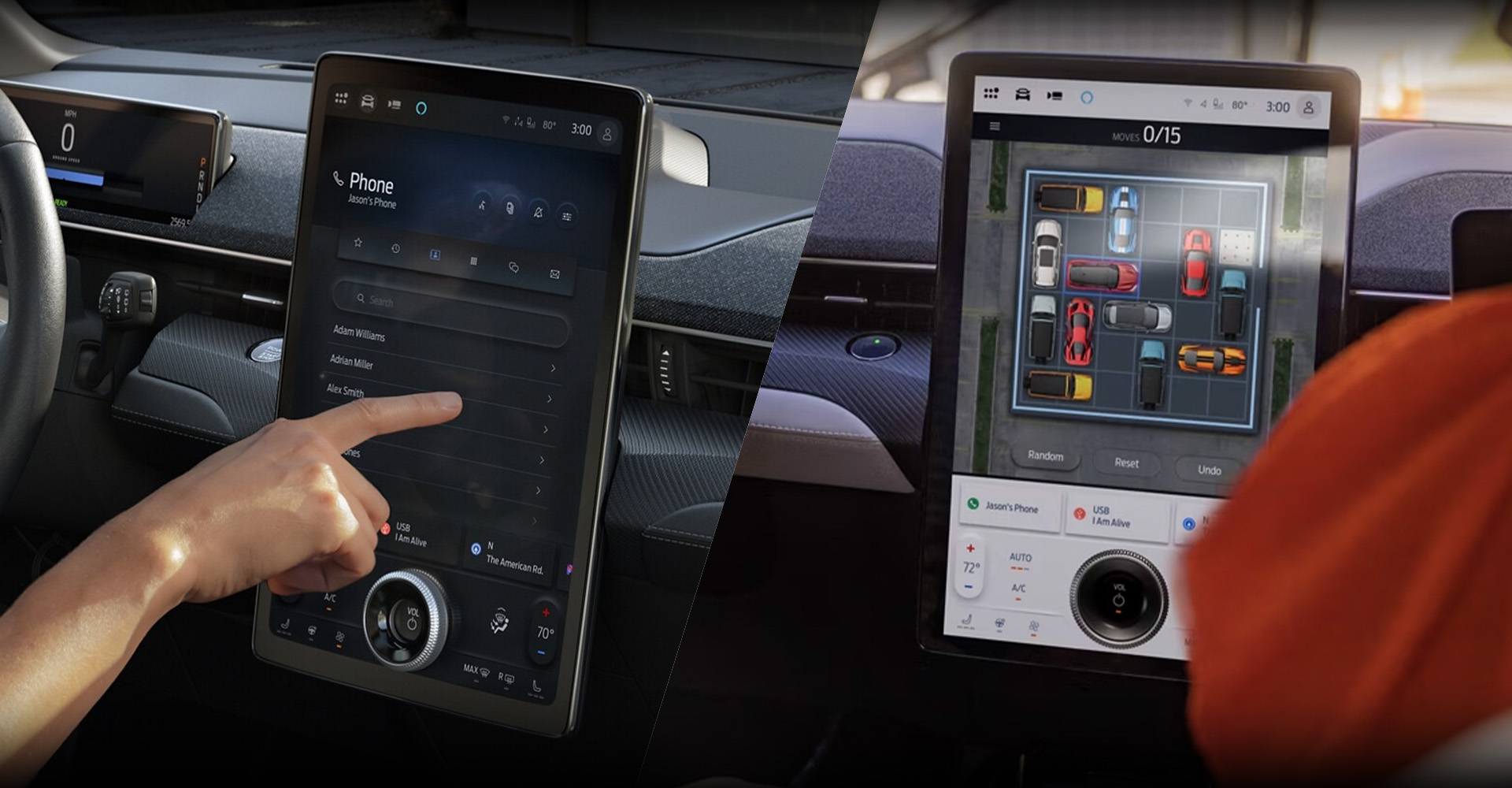
When it comes to safety and technology, both the Ford Mustang Mach-E Select and the Ford Mustang Mach-E Premium trims have you covered. Both feature a 10.2-in. digital instrument panel cluster screen, a 15.5-in. LCD capacitive touchscreen with swipe capability, and the Ford Co-Pilot360™ technology suite, which includes features like Pre-Collision Assist with Automatic Emergency Braking, Lane-Keeping Assist, and Blind-Spot Warning. They both also come equipped with 360-degree camera with a split view. However, the Ford Mustang Mach-E Premium trim takes it a step further with a premium B&O® Sound System featuring B&O Beosonic™, delivering an immersive audio experience with 10 speakers, including a subwoofer.
Choosing the Right Trim: Consider Your Priorities
The Ford Mustang Mach-E Select is a fantastic option for those who want sporty, all-electric performance at a great price. It offers a solid balance of features and technology, making it an excellent choice for budget-conscious buyers. If you’re looking for more luxury and features, the Ford Mustang Mach-E Premium model is the way to go. With its premium interior, panoramic roof, and upgraded sound system, it offers a more refined and upscale driving experience. Ultimately, the best trim for you depends on your individual needs and preferences. Consider your budget, the features that are most important to you, and your desired level of luxury when making your decision.
Shop Preston Ford
The time to go electric is now! Take a test drive today to compare the Ford Mustang Mach-E Select vs. Premium trims at Preston Ford.
Ford F-150 Hybrid Truck

Does Ford Make a Hybrid Ford F-150? What You Need to Know
The Ford F-150 has long been a symbol of American strength and versatility. Now, with the introduction of the Ford F-150 hybrid truck, this iconic vessel from the Blue Oval Brand is taking performance to new heights. Combining the power of a traditional gas engine with the efficiency of an electric motor, the Ford F-150 hybrid truck offers an unparalleled driving experience that’s perfect for both work and play. Let’s take a closer look at what makes the Ford F-150 hybrid truck a force to be reckoned with. Then, head to Preston Ford to get behind the wheel for a test drive!
Performance and Power: Inside the F-150 PowerBoost® Hybrid Engine
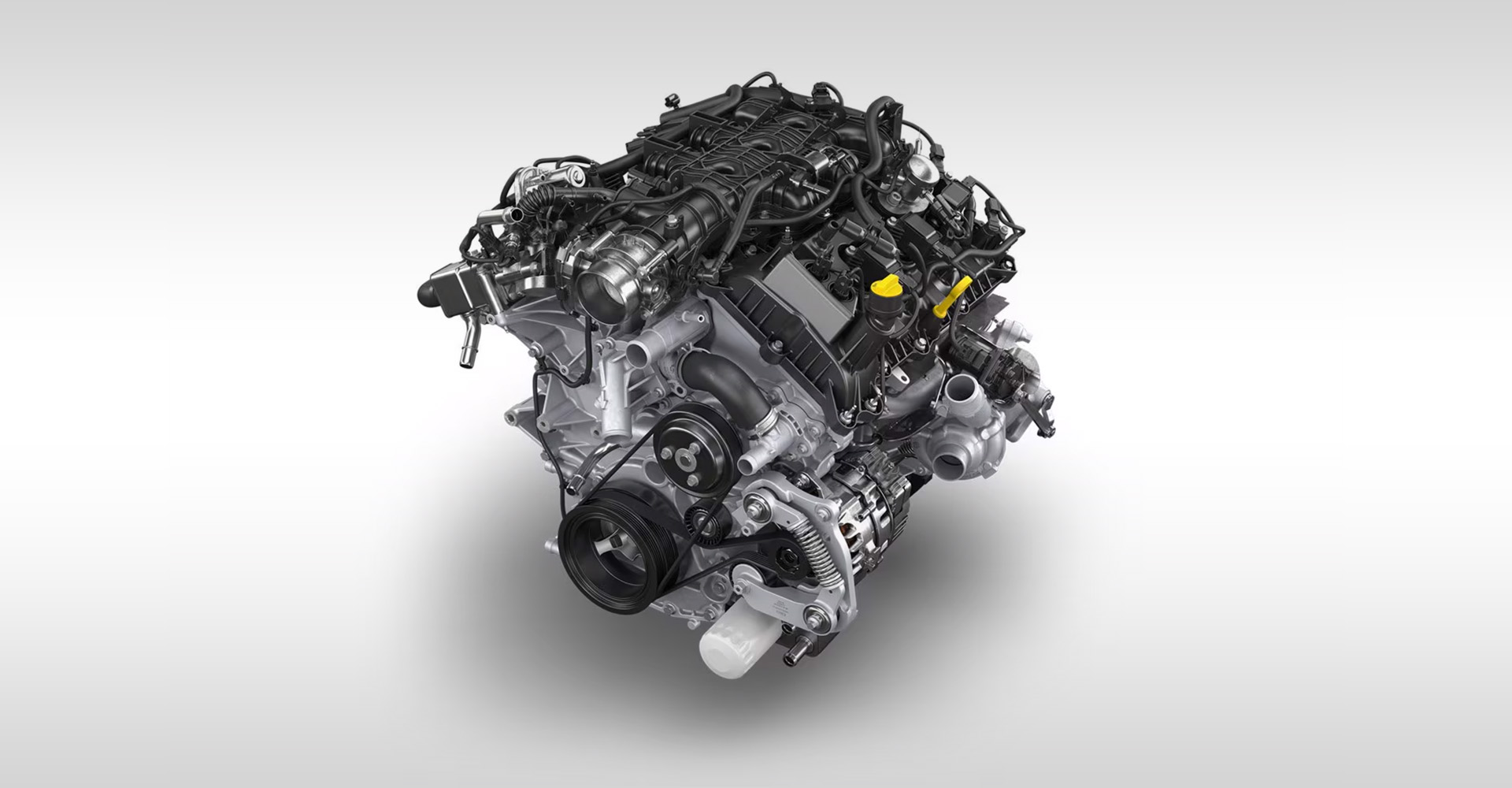
At the heart of each Ford F-150 hybrid truck is the 3.5L PowerBoost® Hybrid V6 engine. This innovative hybrid powertrain combines a 3.5L twin-turbo V6 engine, a 35 kW electric motor, and a Hybrid Electronic 10-speed Automatic Transmission. The result? A staggering 430 horsepower and an unbelievable 570 lb.-ft. of torque, making the Ford F-150 hybrid truck one of the most powerful trucks on the market. The electric motor not only provides additional power but also enhances efficiency.
Capability and Towing
The Ford F-150 hybrid truck’s impressive powertrain translates to exceptional capability. With a maximum towing capacity of 11,200 lbs. when properly configured, it’s ideal for towing large trailers, boats, and other heavy equipment. A best-in-class payload capacity of 1,735 lbs. ensures that you can easily haul everything from construction materials to landscaping supplies. Whether you’re a contractor, a farmer, or simply someone who needs a truck that can handle it all, the Ford F-150 hybrid truck has the power and capability to meet your demands. The King Ranch trim, with its premium features and enhanced towing capabilities, further elevates the Ford F-150’s performance, making it a standout choice among high-end trims.

Ford F-150 Hybrid Fuel Economy
The Ford F-150 hybrid truck delivers impressive fuel efficiency, especially considering its size and power. With an EPA-estimated City MPG as high as 25 and a 26 MPG Highway rating, it offers a significant improvement over traditional gas-powered Ford F-150 models. This means you can enjoy the benefits of a powerful truck without sacrificing fuel economy.
Pro Power OnBoard
Imagine having a mobile power station at your fingertips. With the Ford F-150 hybrid truck’s Pro Power Onboard, you can do just that. This class-exclusive feature transforms your truck into a portable generator, providing reliable power for a wide range of applications. Whether you’re a contractor needing power tools on a job site, a camper looking to enjoy the comforts of home in the great outdoors, or simply someone who wants to be prepared for power outages, Pro Power Onboard has you covered. Choose from three available outputs—2.0kW, 2.4kW, and the incredibly powerful 7.2kW—to suit your specific needs. Need to run a few lights and a small refrigerator? The 2.0kW option is perfect. For more demanding tasks like powering a circular saw or a small air compressor, the 2.4kW or 7.2kW outputs will provide the necessary power. With the ability to monitor and track wattage usage through the SYNC® 4 screen or the FordPass® App, you can stay informed and ensure you’re using your power efficiently.
How Far Can the Ford F-150 Go on Electric Only?
Unlike plug-in hybrids, regular hybrids such as the Ford F-150 cannot run on electric power alone. This is primarily due to the size and capacity of their battery packs. Regular hybrids have smaller battery packs designed to assist the gasoline engine, providing a boost of power and improving fuel efficiency. However, these batteries are not large enough to store enough energy to power the vehicle for extended periods without the assistance of the gasoline engine. Plug-in hybrids, on the other hand, have bigger batteries that can be recharged from an external power source. This allows them to operate on electric power alone for a certain distance before switching to a combination of electric and gasoline power. If you’re more interested in a plug-in option, check out the Ford Escape PHEV!
Find A Built Ford Tough® Hybrid
The Ford F-150 hybrid truck is a testament to the future of automotive technology. By combining the power and capability of a traditional truck with the efficiency and innovation of hybrid technology, it offers a truly exceptional driving experience. With its impressive performance, advanced features, and commitment to sustainability, the Ford F-150 hybrid truck is the prime choice for anyone seeking a powerful, efficient, and versatile vehicle. Ready to experience its capabilities for yourself? Head to Preston Ford to take a test drive today!
Hybrid vs. Gas Cars
Navigating Hybrid vs. Gas Cars
Choosing a new car involves weighing various factors. A critical decision in today’s world is choosing between hybrid vs. gas cars. Both offer advantages and disadvantages, and the ideal choice hinges on your driving habits and priorities. This guide explores the key distinctions between hybrid vs. gas cars to empower you to make an informed decision. Follow along as we delve deeper into comparing the two types of popular vehicles, and head to Preston Ford to explore your Built Ford Tough® options!
How Hybrid Cars Function
Hybrid vehicles utilize a combination of an electric motor and a gasoline engine. This enables them to operate on electric power for shorter commutes and gasoline for extended journeys. Additionally, they capture energy through regenerative braking, converting it into electricity for the battery, which boosts fuel efficiency. The battery in a hybrid car plays a vital role in storing this captured energy and significantly impacts the car’s overall fuel economy. Hybrids are known to provide a smooth and responsive driving experience, particularly in stop-and-go city traffic.

How Gas Cars Function
While it might be hard to physically distinguish between a hybrid and gas model, comparing hybrids vs. gas cars boils down to how they operate. So, how does a typical gas vehicle work? Gas-powered cars rely on internal combustion engines, which generate power through controlled ignition. Here’s the basic process: First, air enters the engine through an intake valve. Then, gasoline is injected or mixed with the air, creating a fuel mixture. The piston compresses this mixture in the cylinder. A spark plug ignites the compressed mixture, causing a small explosion that pushes the piston down with force. This force is converted into a rotating motion by the crankshaft, ultimately powering the wheels. The exhaust valve then opens, releasing the spent gases as the cycle repeats. This continuous burning of fuel provides the energy that propels the car forward.
Fuel Efficiency and Emissions: Hybrid vs. Gas-Powered Cars
One of the key selling points of hybrid vehicles is their potential for improved fuel efficiency. Hybrids often achieve significantly higher MPG compared to gas-powered cars, particularly in stop-and-go city driving. This translates to lower fuel costs for the driver. Additionally, hybrids generally generate fewer emissions during operation, making them a more eco-friendly choice. However, it’s important to consider the environmental impact of the battery production process in hybrids vs. gas cars. Manufacturing electric batteries can have a larger environmental footprint compared to traditional gasoline engines. All in all, hybrid vs. gas-powered cars have trade-offs when it comes to their overall environmental impact.
Are Hybrids Better Than Gas Cars?
Gas cars vs. hybrids typically have a lower initial purchase price. However, hybrids offer the potential for significant fuel savings due to their improved fuel efficiency. Additionally, hybrid vehicles generally produce fewer emissions during operation, making them a more environmentally friendly choice. There are various types of hybrid vehicles available, each with unique configurations that combine a gasoline engine and an electric motor in different ways. Many times, we get asked the question: Why are hybrids better? Hybrid car efficiency vs. gas is typically superior, with some hybrid SUVs exceeding 35 MPG and some hybrid sedans exceeding 45 MPG.

Comparing Costs
Let’s explore the financial considerations when comparing hybrid vs. gas cars.
Upfront Cost: Hybrids typically have a higher initial purchase price compared to gas-powered cars of similar size and features. However, government incentives and tax credits can help narrow this price gap. Additionally, fuel savings over time can make hybrids a better long-term investment.
Fuel Efficiency: Hybrids are known for their superior fuel efficiency, translating to potentially significant savings on gas costs due to their higher MPG.
Maintenance: The presence of an electric motor in hybrids may lead to lower maintenance costs in the long run. The electric motor assists the gasoline engine, potentially reducing wear and tear.
Overall, while hybrids might have a higher upfront cost, the potential for fuel savings and lower maintenance expenses can make them competitive with gas-powered cars over an extended ownership period. The best choice for you depends on your individual driving habits and budget priorities.
Deciding on a Ford: Hybrid vs. Gas?
Think about your daily routine before picking a Ford hybrid or gas car. If your commute involves short trips or city driving with frequent stops, a hybrid like the Ford Escape Plug-In Hybrid or Ford Maverick could be a money saver on gas. These models excel in stop-and-go traffic thanks to their electric motor kicking in. However, for those who regularly take long road trips, a gas-powered Ford like the Ford Explorer, Ford Mustang, or Ford Bronco might be a better fit. Gas stations are plentiful on highways, and while the initial price tag might be lower, keep in mind the higher fuel costs and environmental impact over time.
The Choice Is All Yours
The only way to truly compare hybrids vs. gas cars is to get behind the wheel of both. We proudly offer a wide range of Fords, from modern hybrids like the Ford Escape Plug-In Hybrid to powerful gas-powered options like the Ford Super Duty. No matter your driving style, we’ve got you covered. Our knowledgeable team is here to answer your questions and help you find a car that fits your budget and commute. Visit Preston Ford today! Take a test drive, compare hybrids vs. gas cars, and you’ll be one step closer to cruising in your dream Ford.
Ford Maverick EcoBoost® vs. Hybrid

Ford Maverick EcoBoost® vs. Hybrid: Which Engine Offers the Best Balance of Power and MPG?
The Ford Maverick has taken the truck world by storm, offering a compact, fuel-efficient, and versatile option for drivers. But with two distinct engine options – the Ford Maverick EcoBoost® vs. the hybrid – choosing the right Ford Maverick can be tough. Let’s break down the differences to help you find your perfect match. Wish to see these two configurations up close and in person? Head to Preston Ford to take a test drive and compare the Ford Maverick EcoBoost® vs. hybrid models!

Breaking Down the Specs
We can’t compare the Ford Maverick EcoBoost® vs. hybrid models without taking a glance at their specifications. Let’s see how these two exceptional engines measure up! The Ford Maverick EcoBoost® packs a punch with its 2.0L turbocharged engine, generating 250 horsepower and 277 lb.-ft. of torque. On the other hand, the Ford Maverick hybrid configuration offers a 2.5L Atkinson cycle engine combined with an electric motor, which is the available hybrid powertrain for the Ford Maverick, delivering a combined 191 horsepower for efficient performance.
Ford Maverick EcoBoost® vs. Hybrid MPG: Performance and Fuel Economy
Fuel economy is a key differentiator between the Ford Maverick’s EcoBoost® vs. hybrid models. Let’s take a look at how the two compare:
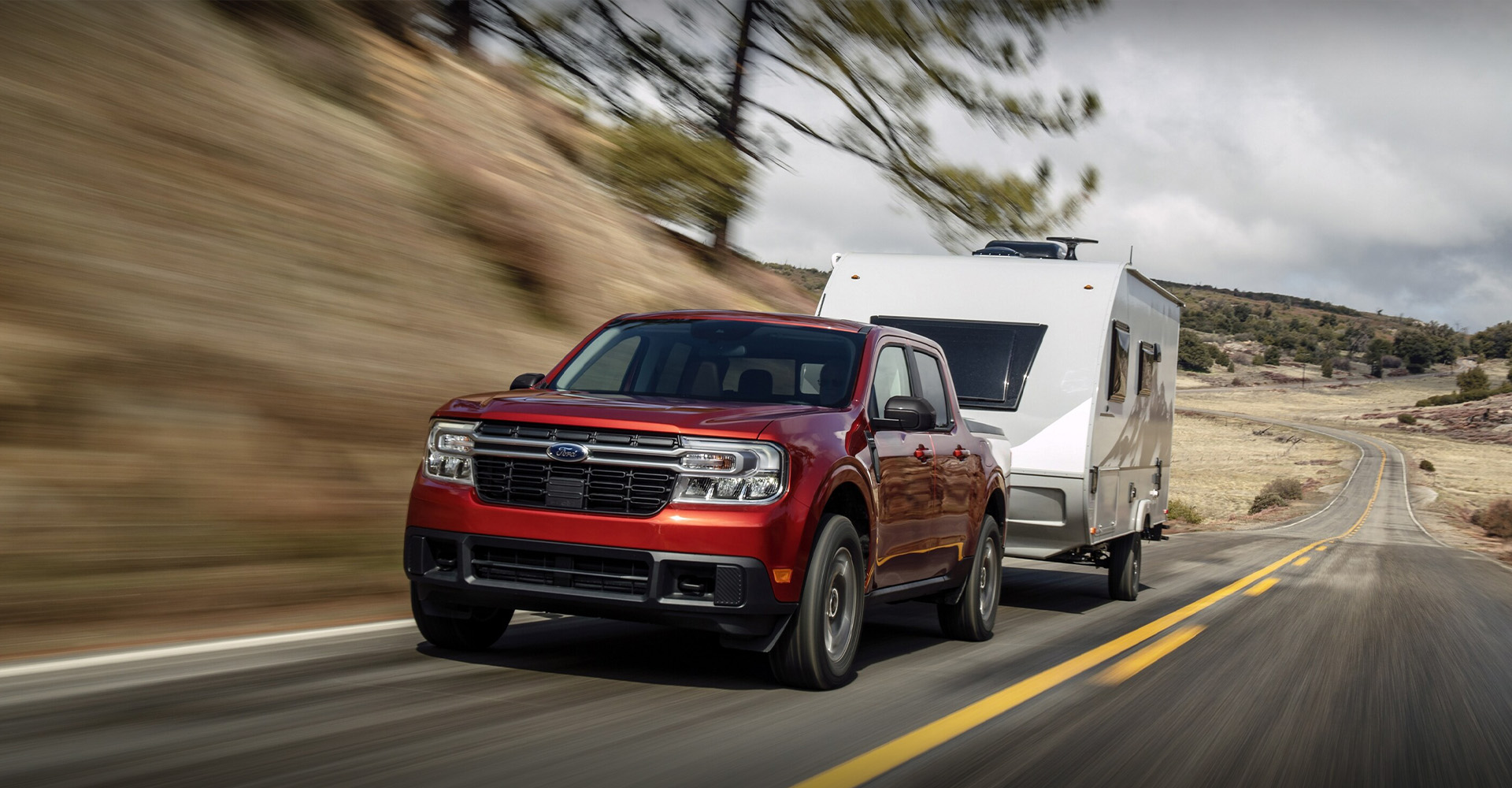
Ford Maverick EcoBoost® Models: As mentioned before, the 2.0L EcoBoost® engine is the standard engine for the Ford Maverick. The Ford Maverick XL and XLT trims equipped with the 2.0L EcoBoost® and FWD, is a great option for drivers seeking a balance of power and efficiency. With an EPA-estimated 23 city/30 highway/26 combined MPG, you can expect to travel an average of 429 miles on a single tank. This translates to potential annual fuel cost savings of around $1,950 compared to less efficient vehicles. The Ford Maverick EcoBoost® offers a practical and cost-effective solution for your daily commute and weekend adventures.
Ford Maverick Hybrid Models: When comparing the Ford Maverick EcoBoost® vs. hybrid, you’ll notice that the Ford Maverick Hybrid also has a great MPG. The Ford Maverick XLT 2.5L Hybrid with FWD is a standout when it comes to fuel efficiency. Boasting an impressive EPA-estimated 42 city/33 highway/37 combined MPG, this hybrid powerhouse offers an extended range of approximately 511 miles on a single tank. By choosing the Ford Maverick hybrid model, you’re not only reducing your carbon footprint but also saving money, with an estimated annual fuel cost of just $1,350, leading to significant savings in fuel costs over time. Ultimately, the choice comes down to your personal preference and your daily commuting habits.
Choosing the Right Engine: Ford EcoBoost® vs. Hybrid Engine
Deciding between the Ford Maverick’s EcoBoost® vs. hybrid engines is a crucial step in finding your perfect truck. If your daily routine primarily involves commuting and running errands, the Hybrid engine might be the ideal choice. Renowned for its exceptional fuel economy, this option seamlessly blends electric and gas power for a smooth, efficient ride. Front-wheel drive models equipped with a hybrid engine offer optimal performance for everyday driving conditions.
However, if you anticipate towing, hauling, or simply desire a more spirited driving experience, the EcoBoost® engine delivers the power you need. Its turbocharged technology provides impressive horsepower and torque, making it ideal for tasks that require a loaded cargo bed. For added traction and capability, consider an all-wheel drive Ford Maverick equipped with the EcoBoost® engine or the Ford Maverick Lariat for advanced features and performance. Ultimately, the best engine for you depends on your specific needs and driving habits.

Ford Maverick EcoBoost® vs. Hybrid AWD
AWD is another factor to consider when comparing the Ford Maverick EcoBoost® vs. hybrid models. If you’re seeking an AWD option, it is important to note that it is only available on EcoBoost® models. The Ford Maverick EcoBoost® with AWD can tow up to a maximum of 4,000 lbs. when paired with the available Max Tow Package and can be equipped with a spray-in bedliner for added durability. The hybrid engine is only available with a FWD configuration and an automatic variable transmission (CVT). The 2.5L hybrid engine’s max payload allows up to 2,000 lbs. on FWD models.
Make Your Move
Choosing between the Ford Maverick EcoBoost® vs. hybrid models ultimately depends on your individual driving needs and preferences. If fuel efficiency and a quieter, smoother ride are top priorities, the hybrid configuration is an excellent choice. The Ford Maverick Hybrid’s electric motor provides extra power when needed and helps in reducing overall fuel costs, making it suitable for various driving conditions. However, if you require more towing capacity, a higher payload, or simply enjoy a more spirited driving experience, the EcoBoost® model delivers the performance you crave. Its turbocharged engine offers impressive power and torque, making it a capable choice for those with more demanding lifestyles. No matter which engine you select, the Ford Maverick offers a versatile and stylish package. Its compact size and truck bed make it perfect for both work and play. So, whether you’re a city dweller looking to save on fuel or an outdoor enthusiast needing a capable workhorse, the Ford Maverick has you covered. Visit Preston Ford today to test drive both models and find the perfect Ford Maverick to fit your lifestyle!
Ford Escape Hybrid Guide

The Ford Escape Hybrid: Your Ticket to Savings and Sustainability
There are not many crossover SUVs that are Built Ford Tough® and offer an unbeatable electric and gas powertrain combo. An equal balance of efficiency, style, and strength all add up to give you the Ford Escape Hybrid and the Ford Escape Plug-In Hybrid SUV. When discussing the pros of the Ford Escape Hybrid, there is a lot of information we need to squeeze in, so follow along as we address each of your pressing questions, concerns, and curiosities about this innovative Ford model. Then, head to Preston Ford to explore our lineup of the Ford Escape Hybrids!

The Escape at a Glance
The Ford Escape Hybrid and Plug-In Hybrid are more than just mere SUVs; they are a statement of efficiency, innovation, and environmental consciousness. Following the discontinuation of the Ford EcoSport, the Ford Escape Hybrid is Ford’s smallest SUV. With its sleek design, spacious interior, and impressive fuel economy, the Ford Escape Hybrid offers the perfect blend of style, practicality, and eco-friendliness. Whether you’re commuting to work, embarking on a weekend adventure, or simply looking to reduce your carbon footprint, the Ford Escape Hybrid is the ideal choice. But what sets the Ford Escape Hybrid apart? Let’s dive deeper into what makes this vehicle so exceptional and answer the most commonly asked questions.

How Long Does a Ford Escape Hybrid Battery Last?
One of the most common questions we get about hybrid vehicles is battery life. The Ford Escape Hybrid utilizes a sophisticated battery system comprising a high-voltage (HV) battery pack and a traditional 12-volt battery. While the HV battery is a crucial component, it’s important to understand that the overall health of the hybrid system depends on the interplay between both batteries.
Several factors can impact the longevity of your Ford Escape Hybrid battery, including driving habits, climate conditions, and overall vehicle maintenance. Common signs of potential battery issues include decreased fuel efficiency, reduced hybrid mode effectiveness, illuminated battery warning lights, sluggish acceleration, and a weak 12-volt battery.
To maximize the lifespan of your Ford Escape Hybrid battery, regular maintenance is key. This includes routine checks of the 12-volt battery, avoiding excessive battery discharge, and keeping your vehicle’s software updated. By following these tips, you can enjoy the benefits of your Ford Escape Hybrid for years to come.
How Does the Ford Escape Plug-in Hybrid Work?
If you’re looking to maximize your fuel savings and reduce your environmental impact even further, the Ford Escape Plug-in Hybrid might be the perfect choice for you. This advanced vehicle combines a traditional hybrid system with a larger battery pack that can be plugged in to charge. By plugging in your Ford Escape Plug-in Hybrid, you can operate the vehicle on pure electric power for a certain distance, significantly reducing your reliance on gasoline. Its impressive electric range allows for substantial fuel savings and reduced emissions. Charging is convenient with the included level 1 mobile power cord that works with any standard 120V outlet. And if you’re in a hurry or simply forget to plug in, no worries — it seamlessly transitions to hybrid mode, using both electric and gasoline power for uninterrupted driving.

How to Charge a Ford Escape Hybrid Battery
Unlike its plug-in hybrid counterpart, the Ford Escape Hybrid doesn’t require an external power source. Instead, it cleverly regenerates energy through braking. Every time you slow down, the vehicle captures that kinetic energy and converts it into electricity, topping off the hybrid battery. It’s like having a built-in charger that works while you drive! But that’s not all. The gas engine also helps keep the battery topped up. It’s like a little power buddy, always there to give the battery a boost when it needs it. So, basically, you don’t have to worry about plugging your Ford Escape Hybrid in like an electric car. It handles the charging on its own!
Ford Escape Hybrid Tax Credit
Did you know that owning a hybrid or plug-in hybrid vehicle can also lead to significant financial savings through tax credits? You heard us right! The federal government offers tax credits for eligible hybrid and electric vehicles. Ideal for daily commutes and longer trips alike, the Ford Escape PHEV is eligible for a federal tax credit. For 2022 and 2023 models priced under $80,000, you could potentially save up to $3,750. This makes the Ford Escape PHEV an even more attractive option for environmentally conscious drivers seeking a versatile and cost-effective SUV. Remember, it’s essential to check with the IRS for the most up-to-date information on Federal EV and hybrid tax credits and their eligibility requirements. If you have any questions, you can always contact us for more information!
Your Escape Awaits
The Ford Escape Hybrid is more than just a car; it’s a smart choice for today’s driver. With its impressive fuel economy, advanced technology, and comfortable interior, it’s perfect for daily commutes and weekend adventures. Plus, the peace of mind knowing you’re helping the environment is an added bonus. Ready to experience the future of driving? Visit Preston Ford today for a test drive!
Preston Ford Wins Fifth Consecutive Commercial Award

In July of 2024, Preston Ford Commercial’s Department received a prestigious accolade, being recognized by Ford as a Top 25 Commercial Vehicle Center dealership. This honor is a testament to our total commercial contract volume in 2023 and marks the fifth consecutive year Preston Ford has achieved this esteemed award.
This recognition reflects the hard work, dedication, and excellence of our team. We are immensely proud of the milestones our Commercial Department has accomplished over the years. Each year presents new challenges and opportunities, and our team’s unwavering commitment to excellence ensures we not only meet but exceed expectations!
As we look ahead to 2024, we are excited about the prospects of continued growth and improvement. Our team is expanding, and with it, our drive to be nothing short of excellent strengthens. We are dedicated to providing the highest level of service and support to our customers, ensuring their needs are met with precision and professionalism.
The recognition from Ford serves as motivation to keep striving for greatness. It highlights the importance of our mission and the value we bring to our clients. Our Commercial Department’s success is a result of our collective efforts, and we are excited to build on this momentum in the coming year!

“With our growing commercial business, year in and year out, we wouldn’t be able to accomplish our goals without our strong partnership with Ford Motor Credit. With our team’s vision of making 2024 our best year yet, I look forward to seeing what we accomplish together.” – David Wilson Jr.
Stay tuned for more updates as we continue to achieve new heights and set new standards in the commercial vehicle industry. Thank you to our incredible team and loyal customers for being part of this journey. Here’s to another year of success at Preston Ford Commercial!
Hybrid vs. EV: Which Is Better For You?

Hybrid vs Electric Cars: Which is Right for You and Your Wallet?
At Preston Ford, we recognize the importance of finding a vehicle that fits not only your budget, but your lifestyle. With the growing popularity of fully electric vehicles and hybrid options, deciding which one is right for you can be a challenge, especially when Ford has so many great options. Our helpful guide will break down the key differences between hybrid vs. electric cars, helping you navigate this exciting new landscape and find the perfect fuel-efficient car for your needs. Follow along to learn more about the difference between EVs and hybrids, and head to our dealership to explore our hybrid and electric vehicle lineup!

What Is the Difference Between Hybrid and Electric Cars?
Hybrid vs. electric cars both offer better fuel efficiency than gasoline-powered options. EVS rely solely on electricity for power, needing to be plugged in and offering limited range. Hybrids combine electric motors with an internal combustion engine, resulting in lower emissions and the ability to refuel at gas stations.
Understanding Electric Vehicles
Before we compare hybrids vs. electric cars, let’s take a closer look at each type of vehicle. Electric vehicles, or EVs, are powered by electric power stored in onboard batteries. This eliminates the need for gasoline and significantly reduces tailpipe emissions. With a single charge, some EVs can now travel over 300 miles, making them a compelling option for everyday driving. EVs are also known for their quiet operation and smooth acceleration, offering a more enjoyable driving experience. Unlike gas-powered vehicles that rely on internal combustion engines (ICE), EVs use electric motors for propulsion. This translates to instant torque, providing a quicker and more receptive driving experience compared to traditional cars. Additionally, the absence of an engine means EVs operate much quieter, creating a more peaceful driving environment.
Thinking about making the switch to an EV? Read our previous blog for all you need to know!

Understanding Hybrid Cars
When looking at hybrids vs. electric cars, hybrid models combine the power of an electric motor with a traditional gas engine. This allows you to switch between electric and gas power depending on driving conditions. The electric motor assists the gasoline engine, leading to enhanced fuel efficiency and lower emissions compared to traditional gas-powered vehicles. Hybrid cars have a separate battery pack that gets charged by the gasoline engine and, through regenerative braking, a system that captures energy when the car slows down.
Environmental Impact and Fuel Efficiency
When it comes to the environmental impact of hybrid and electric vehicles, EVs are the clear winner. They produce zero tailpipe emissions, making them a significant contributor to cleaner air. Hybrids, while offering lower emissions than gas-powered cars, still produce some emissions from the gasoline engine. Fuel efficiency is another area where EVs shine. Electric vehicles boast an average efficiency of 95%, compared to the 20% efficiency of traditional gasoline engines. This translates to significant fuel savings, especially with rising gas prices. Hybrids offer better fuel economy than gas-powered cars, but they still lag behind EVs in terms of efficiency.
Pros and Cons of Hybrid and Electric Cars
Now that we understand the basics of each type of car let’s delve into their specific advantages and disadvantages.
Hybrid Car Advantages:
- Lower emissions and higher fuel efficiency than gas-powered cars. Hybrid vehicles can switch between gas and electricity, offering convenience and significant environmental benefits.
- No range limitations – hybrids can travel several hundred miles before refueling.
- Generally more affordable to purchase than EVs.
Hybrid Car Disadvantages:
- Higher upfront cost.
- Requires oil changes and air filter replacements.
- May not be suitable for long road trips without access to gas stations.
Electric Vehicle Advantages:
- Zero tailpipe emissions – ideal for eco-conscious drivers, as electric power eliminates the need for gasoline.
- Quieter and smoother driving experience compared to gas-powered cars.
- Faster acceleration and a more responsive ride.
Electric Vehicle Disadvantages:
- Limited range and dependence on charging stations for long trips, especially for fully electric vehicles.
- Higher upfront purchase cost compared to hybrids.
- May not be suitable for long road trips without readily available charging stations.
Ownership and Maintenance Costs: Are Hybrid Cars More Expensive Than Electric Cars?
While both hybrids vs. electric cars offer significant fuel savings, there are some differences in ownership and maintenance costs.
Insurance and Depreciation: Both hybrid vs. electric cars tend to have slightly higher insurance premiums than a gas-powered vehicle. However, electric vehicles have a higher depreciation rate than hybrids.
Battery Replacement and Maintenance: Electric vehicles require less maintenance than gas-powered cars, as they don’t require oil changes or spark plug replacements. However, battery replacement in an EV can be more expensive than routine maintenance on a hybrid.
Choosing the Right Car for You
The decision between a hybrid vs. an electric car ultimately depends on your individual needs and driving habits. Consider your daily commute distance and how often you take long road trips. If you have access to charging stations at home or work and primarily drive shorter distances, an EV may be ideal. However, if you frequently make long road trips or lack access to charging stations, a hybrid vehicle might be a better fit.
Go Green
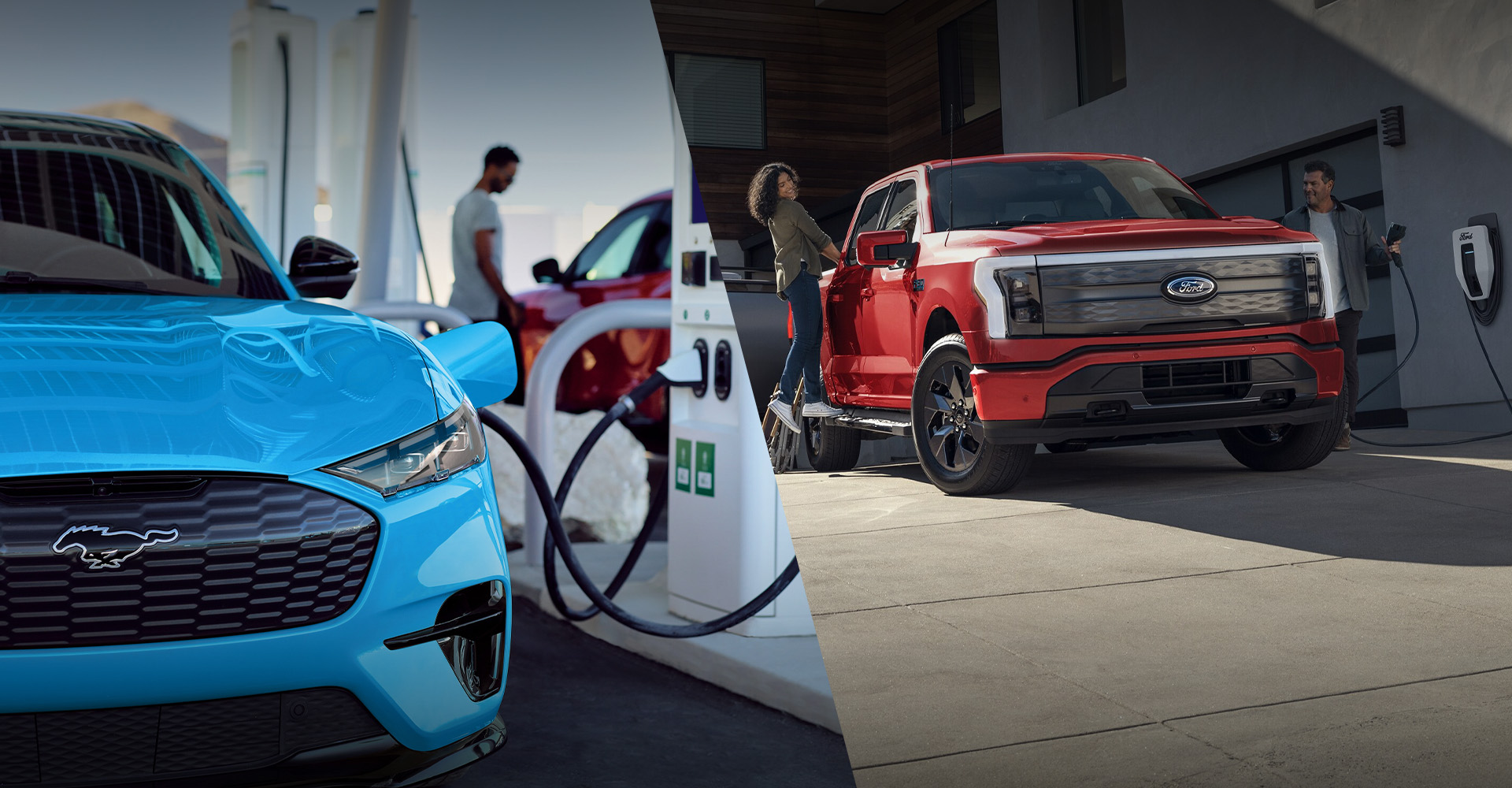
Still conflicted on a hybrid vs. an electric car? Here at Preston Ford, we offer a variety of exciting hybrid and fully electric vehicles to suit your needs. Our hybrid lineup includes the fuel-efficient Ford Escape Hybrid and the versatile Ford Maverick. Looking for a fully electric option? Check out the Ford Mustang Mach-E, an SUV with thrilling performance and a stunning design, or the highly capable Ford F-150 Lightning. Hop over to our dealership to explore your greener options today!
How Hybrid Cars Help Save You Money

Do Hybrids Really Save Money? Separating Fact from Fiction
Thinking about switching to a hybrid car but unsure if the financial benefits outweigh the initial cost? You’re not alone. Many drivers wonder if the hybrid vehicle cost is justified by the long-term savings. At Preston Ford, we’re here to clear the air and show you how hybrids can be a smart financial decision.

Hybrid Vehicle Costs: How Much Money Do You Save With A Hybrid?
If you’re wondering: Do hybrids really save money? Different hybrid models offer varying levels of cost-effectiveness and resale value, making it important to choose the right one for your needs. Hybrid cars typically have a higher initial price tag compared to conventional gasoline vehicles. The average difference can be around $1,300. However, this is just one piece of the puzzle. Owning a hybrid saves you money in the long run. Read how below!
Incentives and Perks: Making Hybrids More Affordable
Federal and state governments often offer incentives to encourage people to switch to hybrids. These incentives can significantly reduce the upfront cost.
Federal Tax Credits: New hybrid purchases may qualify for federal tax credits ranging from $250 to $3,400.
Plug-in Electric Vehicle Credit: Depending on the battery capacity, owning plug-in hybrid vehicles can net you a tax credit of $2,500 to $7,500.
State and Local Incentives: Many states and cities offer their own incentives, including tax breaks and access to HOV lanes.
Fuel Efficiency and Maintenance: Where Hybrids Truly Shine
This is where hybrids excel. Hybrids achieve significantly better gas mileage than conventional cars, often ranging from 20% to 35% higher efficiency. This translates to substantial savings at the pump, especially when gas prices fluctuate. In the end, does a hybrid car save money? Yes! Additionally, hybrids tend to hold their value better than gasoline cars thanks to their fuel efficiency and eco-friendly technology. You can use a service like Kelley Blue Book to compare resale values for specific models you’re interested in. Another often overlooked benefit is brake pad wear. Hybrids utilize regenerative braking technology that captures energy during braking, reducing wear and tear on the brake pads. This can lead to significant savings on brake replacements over time.
Long-Term Savings and Resale Value: The True Advantage
If you’re wondering if hybrids really save money, we have great news. Hybrids provide a reliable and cost-effective option for drivers who value fuel efficiency and long-term savings. While the initial purchase price might be higher, the fuel savings, lower maintenance costs, and strong resale value add up over time.
Debunking Common Myths about Hybrid Batteries
There are many misconceptions about hybrid cars. In order to answer the question: Do hybrids really save money? Let’s address a few:
Myth: Hybrids are just for eco-conscious drivers.
Fact: Hybrids offer a practical and economical option for drivers who want to save money on gas and enjoy lower emissions. They can also be a great choice for active families on the go!
Myth: Hybrids are more expensive to maintain.
Fact: Hybrids’ maintenance costs are comparable to those of conventional cars, and they have the added benefit of longer-lasting brake pads.

Choosing the Right Vehicle
Now that we’ve answered the question: Do hybrids really save money? We can dive into your hybrid options from Ford. Here are some factors to consider:
Your Driving Habits: If you frequently take long road trips, a hybrid offers the convenience of a gas engine for extended journeys.
Financial Situation: Federal and state incentives can make hybrids very attractive options financially.
Your Preferences: Do you prioritize fuel efficiency, lower emissions, or access to HOV lanes?
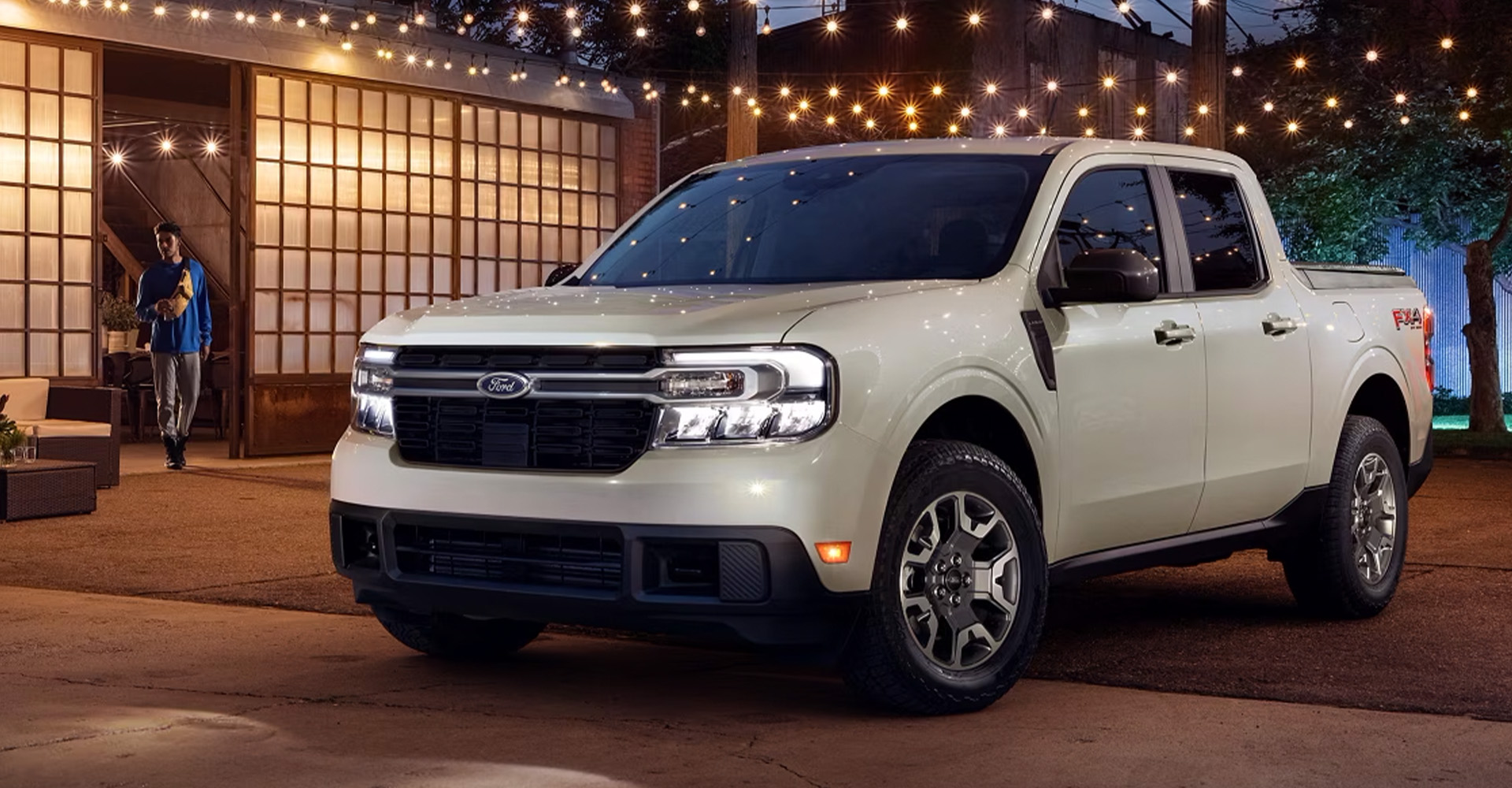
We have a great selection of hybrids, including the fuel-efficient Ford Maverick, the versatile Ford Escape Plug-in Hybrid, and the hefty Ford F-150 with the PowerBoost™ Hybrid V6 engine.
The Bottom Line on Hybrid Fuel Savings
Do hybrids really save money? While hybrids may have a higher upfront cost, the long-term savings on fuel, maintenance, and potential resale value make them a smart financial choice for many drivers. Pure electric vehicles also offer significant financial savings and incentives, making them an attractive option for many drivers. Our team can’t wait to help you navigate the incentives, compare models, and determine if a hybrid car is the right fit for your budget and driving needs. Visit Preston Ford today and test drive a hybrid to experience the savings and performance for yourself!
Ford F-150 Truck Engines: What’s Best For You?

Top Ford F-150 Truck Engines: Specs, Horsepower, and Towing Capacity
The Ford F-150 has long been synonymous with capability and strength. It’s the truck that gets the job done, no matter how demanding, and is widely regarded as America’s Favorite Truck. But beneath the rugged exterior lies a heart of innovation with several Ford F-150 truck engines to choose from, offering a range of powertrain options to match your needs perfectly. Whether you prioritize raw power, towing capacity, or fuel efficiency, there’s a Ford F-150 truck engine waiting to be unleashed. Cruise along as we uncover the best Ford F-150 engine options, and head to Preston Ford to find the truck of your dreams today!

Ford F-150 Torque & Horsepower: Numbers that Speak for Themselves
The 2024 Ford F-150’s truck engines cater to various power requirements. Let’s delve into the specifics:
2.7L EcoBoost® V6: This base engine delivers a solid 325 horsepower and 400 lb.-ft. of torque, making it ideal for everyday driving and light-duty hauling.
3.5L EcoBoost® V6: The Ford F-150 3.5L Twin-Turbo EcoBoost® V6’s 400 horsepower and staggering 500 lb.-ft. of torque provides ample power for tackling tougher jobs and towing heavy loads. We dive deeper into this innovative engine below!
5.0L Ti-VCT V8: For those who demand pure muscle, the 5.0L V8 boasts 400 horsepower and 410 lb.-ft. of torque, making it a true powerhouse.
3.5L PowerBoost® Full Hybrid V6: This modern hybrid system produces a combined output of 430 horsepower and a best-in-class 570 lb.-ft. of torque, proving that power and efficiency can coexist. Speak with our team to learn more about the Ford F-150 PowerBoost® specs, including its massive 11,200 lbs. of maximum towing capacity it is able to churn out.
High-Output 3.5L EcoBoost® V6: This top-of-the-line engine cranks out a phenomenal 450 horsepower and 510 lb.-ft. of torque, ideal for heavy-duty hauling and conquering challenging terrain.
5.2L Supercharged V8: This limited-edition engine is a force to be reckoned with, producing a monstrous 720 horsepower and a jaw-dropping 640 lb.-ft. of torque.
Unleash the Power Within: A Look at the 2024 Ford F-150 Engine Options
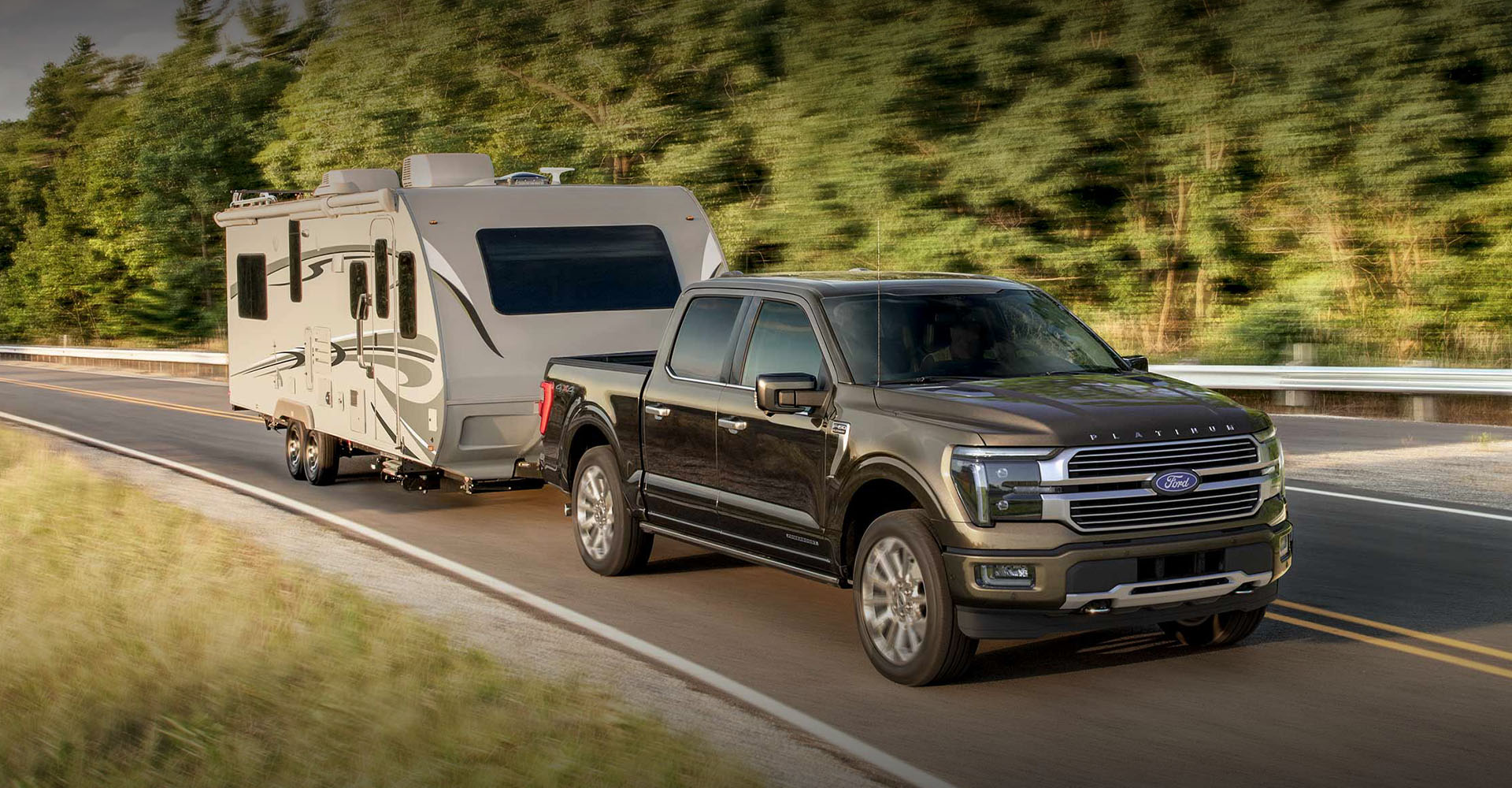
The 2024 Ford F-150 breaks the mold when it comes to engine diversity. With a whopping six Ford F-150 truck engines to choose from, you’re no longer limited to a one-size-fits-all approach. This extensive selection of Ford F-150 truck engines empowers you to tailor your performance to specific needs, ensuring you get the right amount of muscle for the job. One of the most exciting additions to the Ford F-150 truck engines lineup is the introduction of the 3.5L PowerBoost® Full Hybrid V6. This groundbreaking powertrain seamlessly blends a powerful V6 engine with an electric motor, delivering impressive fuel efficiency without sacrificing capability. This innovation is perfect for those seeking a balance between power and responsible fuel consumption.
Fuel Economy and Efficiency: Finding the Right Balance
Speaking of fuel efficiency, let’s take a closer look at the most eco-friendly Ford F-150 truck engines. Fuel efficiency is a major consideration for truck owners. Luckily, the Ford F-150 engines offer a range of options to meet your needs. The 2.7L EcoBoost® V6 and the 3.5L PowerBoost® Full Hybrid V6 excel in fuel economy, delivering impressive MPG figures that make them ideal for everyday driving and budget-conscious buyers. On the other hand, the powerful V8 Ford F-150 truck engines prioritize raw power over fuel efficiency but still manages respectable highway mileage.
A Closer Look: Ford F-150 3.5L EcoBoost® Specs
Let’s dive deeper into one of the available Ford F-150 truck engine options, starting off with the Ford F-150 3.5L EcoBoost®. The impressive Ford F-150 3.5L EcoBoost® goes a long way. But the true star of the show is its impressive amount of torque. This immense pulling power allows the 3.5L EcoBoost® to handle significant towing and hauling jobs without breaking a sweat, making it a compelling choice for those who need a truck that can truly get the job done. We’ll let the facts speak for themselves and refer to its available best-in-class tow rating, which maxes out at 13,500 lbs. Did we mention this Ford F-150 truck engine also offers a class-leading payload rating of 2,445 lbs. and includes a Ford port-fuel and direct-injection system to optimize performance? No matter what, full-throttle power is just a split second away, with zero lag thanks to the twin intercooled turbos, which deliver instantaneous gusto.

Find Your Ford F-150
Ford F-150 truck engines offer an unmatched level of variety and capability. Whether you crave earth-shattering horsepower, class-leading fuel efficiency, or the perfect balance of both, there’s a Ford F-150 engine waiting to be paired with your needs. Visit us today at Preston Ford for a test drive and discover the perfect powertrain to unleash the full potential of your Ford F-150!
Connect with us

